Language education · Digital literacies · Informal learning
Boris Vázquez‑Calvo
Language learning, teaching, and digital practices.
My research connects Language Education, Language Didactics, applied linguistics, digital literacies, online discourse, informal language learning, fandom, participatory cultures and teacher education. I am especially interested in how people develop language practices and identities across social media, fan communities, video games, online platforms and, increasingly, artificial intelligence.
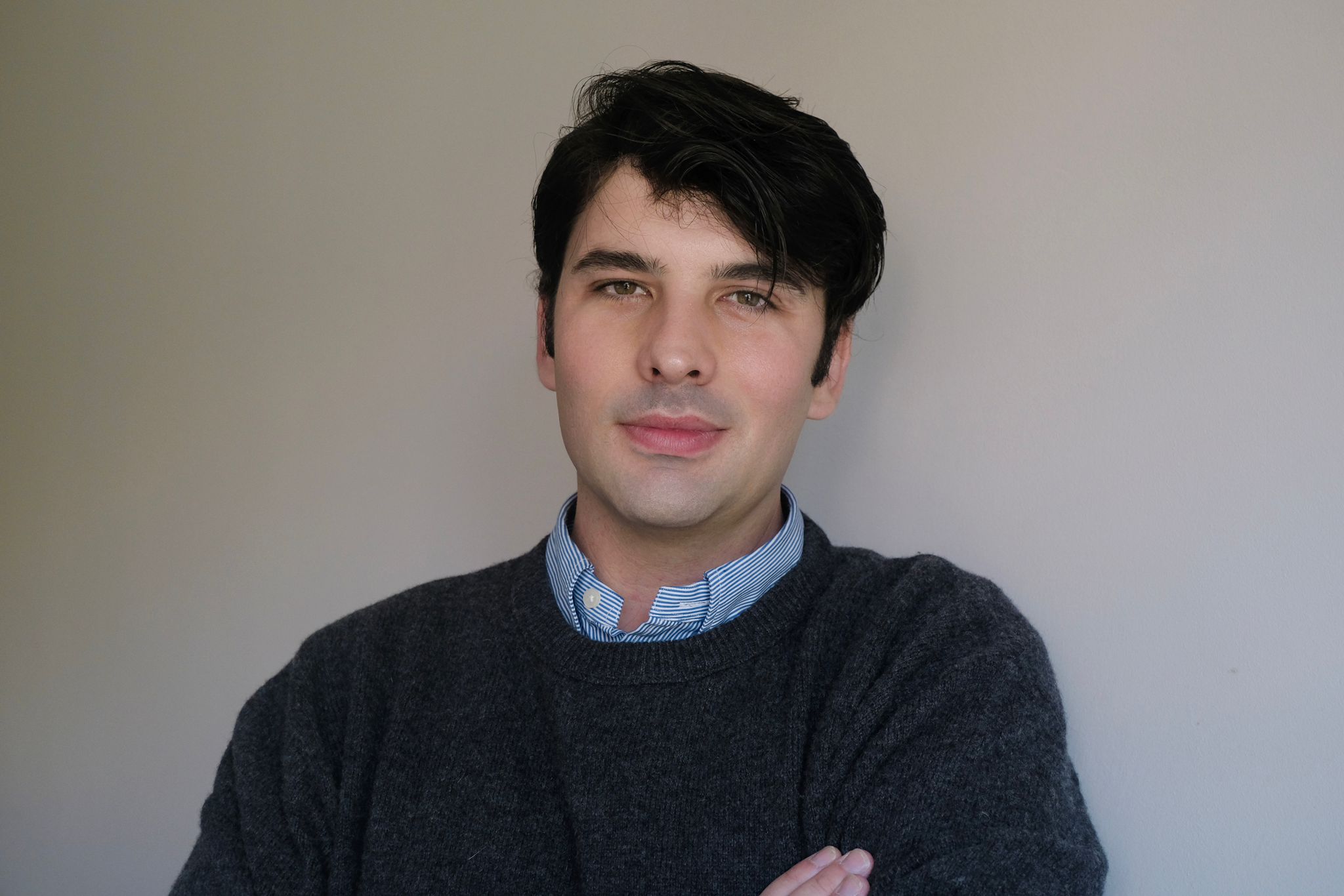
About
I work at the intersection of Language Education, Language Didactics, applied linguistics, digital literacies, online discourse, informal learning, fandom, AI, TELL/CALL and language teacher education.
I am a Ramón y Cajal Researcher in Language Education at the University of Seville. My work examines how contemporary communicative practices — from fan translation, memes, video games and social media to generative AI and algorithmic platforms — transform language learning, teaching, literacy practices and teacher identities.
Across my research, I treat digital environments not merely as tools, but as social, cultural and semiotic ecologies where people participate, create, affiliate, learn languages and make meaning. This has led me to study digital wilds, fandom, participatory culture, online discourse, informal learning, teacher education, TELL/CALL and the pedagogical possibilities of contemporary literacies.
Research areas
I approach language learning as a socially situated, digitally mediated and culturally embedded practice.
Digitally mediated language learning and literacies
Platforms, online communities, social media, video games, fandoms and digital tools as environments for language learning, literacy development and participation.
Informal and self-directed language learning
Learners’ engagement with languages beyond the classroom, especially across digital wilds, interest-driven communities and platform-based ecologies.
Fan translation and participatory cultures
Fansubbing, fandubbing, fanfiction, scanlation, memes, video games and other participatory practices as spaces for language learning and identity work.
Technology-enhanced and computer-assisted language learning
Research on how digital tools, platforms, AI, mobile media, online interaction and multimodal resources mediate language learning, teaching, feedback, assessment and learner agency.
Online discourse, identity and digital participation
How learners and teachers construct identities, affiliations and trajectories through language, technology, platforms, multimodal communication and online discourse practices.
AI, algorithms and language education
Artificial intelligence and algorithmic systems as part of broader digitally mediated environments that reshape authorship, feedback, assessment, critical literacy and teacher education.
Explore by topic
Thematic entry points into my research, connecting publications, teaching and open materials across AI and language education, digital literacies, informal digital language learning, fandom and fan translation.
Language Teacher Education
Teacher identity, professional learning and pedagogical judgement, including decisions about AI in language teaching.
AI and Language Education
Artificial intelligence, AI-mediated literacies, language teacher education, authorship, feedback, algorithmic awareness and critical digital pedagogy.
Digital Literacies in Language Education
Digital literacy practices, online discourse, multimodality, platforms, memes, digital participation and language teacher education.
Informal Digital Language Learning
Digital wilds, self-directed learning, social media, learner autonomy, algorithmic environments and everyday online language practices.
Fandom and Language Learning
Fan communities, affinity spaces, fanfiction, memes, participatory culture, digital literacies and language learning beyond the classroom.
Fan Translation and Language Education
Fansubbing, fandubbing, fan translation of games, fanfiction, multilingualism, digital mediation and pedagogical translation.
All Research Topics
Browse all thematic research pages and discover how publications, projects, talks and open materials connect across research areas.
Publications
Open individual publication pages from the Publications menu to read about the research, find reading options and save a reference.
‘AI is like fire’: a discourse analysis of language teachers’ attitudes towards artificial intelligence
Journal of Education for Teaching, 2026. A discourse-analytic study of how language teachers make sense of artificial intelligence through metaphors, attitudes and pedagogical imaginaries.
News & updates
Research mobility, publications, academic service and upcoming activity.
José Castillejo mobility grant: research stay at UBC
I have been awarded a José Castillejo mobility grant for a research stay at the University of British Columbia from 1 February to 31 May 2027, in collaboration with Ron Darvin.
Projects
My projects connect research, teacher education, open educational resources and knowledge transfer.
DEFINERS
Digital Language Learning of Junior Language Teachers. A competitive project on digital language learning, teacher education, literacies, artificial intelligence and informal learning. The final report received the rating “MUY SATISFACTORIO”.
SEGUE
Social Media and Video Games for Language Learning and Teaching. A project on participatory digital cultures, social media, video games and language teacher education.
Gaming as Literacy
A postdoctoral project on video games as academic and vernacular literacy practices among young people, developed across international research contexts.
Language teacher education
A research agenda on how future language teachers develop pedagogical judgement and decide which tasks to delegate to AI. Explore the research topic.
Open materials & media
I regularly transform research into open educational materials, teacher education resources, public-facing writing and training activities.
Fan-Based Learning in Language Education
A microseries of open video pills on fanfiction, fansubbing, cosplay, podcasts/vlogs, participatory culture and digital ethics for language education.
AI: friend or foe?
Open materials from a university teacher education course on artificial intelligence, assessment, feedback, authorship and educational practice.
The Conversation
Public-facing articles on language learning, acquisition, fandom and digital culture, written for broader audiences.
Talks & workshops
Keynotes, invited talks, workshops and conference activity are collected in a dedicated talks page.
AI Through a Social-Science Lens
A keynote on artificial intelligence, digital literacies, language learning, teaching and research, framed through social-scientific, educational and ethical perspectives.
Teaching & supervision
Teaching areas, supervision interests and pedagogical approach are collected in a dedicated teaching page.
Teaching areas
I teach broadly in Language Education and Language Didactics, with experience across foreign, additional and multilingual language education contexts. My teaching connects EFL, SFL/ELE and other language-learning settings with TELL/CALL, digital literacies, online discourse, curriculum design, language pedagogy, assessment, AI in education, fandom, video games, social media and language teacher education.
Supervision
I supervise work on Language Education, Language Didactics, applied linguistics, digitally mediated language learning, TELL/CALL, informal language learning, digital literacies, online discourse, fandom, AI-mediated literacies, language teacher education, ELE/SFL, EFL and contemporary communicative practices.
Academic service
Editorial work and contributions to the language education research community.
Language Learning & Technology
Associate Editor since July 2025.
SIDLL 2026
Coorganisation and coordination of the foreign-language strand. Málaga, 25–27 November 2026.